You are hereOrganic Gardening - The Natural No-Dig Way
Organic Gardening - The Natural No-Dig Way
“This is absolutely the best book on organic vegetable growing”
Rosie Boycott
One of the top ten books in BBC Gardens Illustrated & on Gardeners Question Time 2007
In Organic Gardening, Charles Dowding, who set up one of the first vegetable box schemes in 1983, shares the philosophy, tips and techniques which have enabled him to run a successful organic garden supplying local restaurants and shops for over 25 years:
- Forget the rules:'Received wisdom' about gardening is surprisingly innaccurate. Follow Charles' tips to work out the most practical methods for your own garden instead.
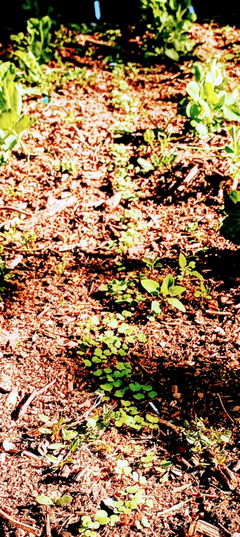
- Respect and encourage soil, plant and animal life as much as you can, chiefly by spreading good compost or manure, and leaving it on top.
- There is no need to dig in compost or manure - just let worms take it in. Digging can harm soil structure and is not helpful to plants.
- You can reduce weeding to a little hand-weeding or hoeing every ten days: little and often is better than occasional blitzes.
Based on his experience of a system of permanent slightly-raised beds, Charles takes you through a delicious variety of fruit and vegetables: what to choose, when to plant and harvest, and how best to avoid pests and diseases. The book includes Susie's recipes to help you make the most of your fresh-picked produce.
“A marvellous book that is a delight to read and a mine of information, definitely a best buy.”
Mike Mason, The Good Gardeners Association
“Charles Dowding's brilliant book has become a bit of a veg-growing bible in our household.”
Cleve West in The Independent's Urban Gardener column, Sat Jan 5th 2008
“The exceptional health and taste of the crops growing at Lower Farm would seem to bear witness to the methods employed in their cultivation. The only way to be truly convinced, of course, is to lay down your spade and fork and try the no-dig method for yourself. As Charles would say: “The answer is in the soil.”
Rebecca Pow in Amateur Gardening, June 23 2007
“Dear Charles,
Your ‘No Dig’ book is ever at my hand’s reach! I’ve had huge success this year, despite awkward weather. I had a raised bed made, as I have little room in my small garden borders for veg. I’ve had wonderful crops of chard, broccoli and lettuce. No room for a proper greenhouse, so I have a “mini portable” which is invaluable.
There is no need for trials on whether to dig or not – just ask me!! ‘No dig’ makes utter sense and I tell everybody about it.”From Jane Toplis, Bude, Cornwall
A reader's comment, from Gail Stevens, Wincanton:
"This year I followed your method of just removing the weeds (still not easy !!) and shoveling a good layer of compost over the ground. I did it towards the end of last season when planting leek plants and kale plants. The leeks grew to the thickest I have ever grown, we were delighted. Throughout the winter months as the ground became 'free', I put down more compost, and planted my onion sets. I have always grown onions and the size of them is adequate, but usually the size of shallots, that I also grow. However, my onions this year were the biggest ever, and could have won prizes at the Gillingham and Shaftesbury show !!
As you say in your book, 'put down the compost and let the worms do the work' it is certainly true, as vegetables are finishing and I pull the plants out, the evidence of worms is fantastic, they are certainly earning their living in my garden.
Thank you so much for such a good book, which I continue to use for reference, I think everything in my garden has done much better than normal, even though the weather this year has been awful for vegetable growing, my vegetables include: Broad beans, french beans, chard, spinach, carrots, beetroot, swede, jerusalem artichokes, calabrese, brussel sprouts (which have fought back after leaves being stripped by cabbage white caterpillars !) courgettes (the only veg that didn't produce as much as normal, but that was due to the cold weather) leeks, kale, cauliflowers, sprouting broccoli - all now coming into their own for the winter months. This year I have grown herbs and salad leaves and lettuces in pots, again in the compost from the compost heaps."
Available now from Green Books.
www.greenbooks.co.uk.